Quality Assurance
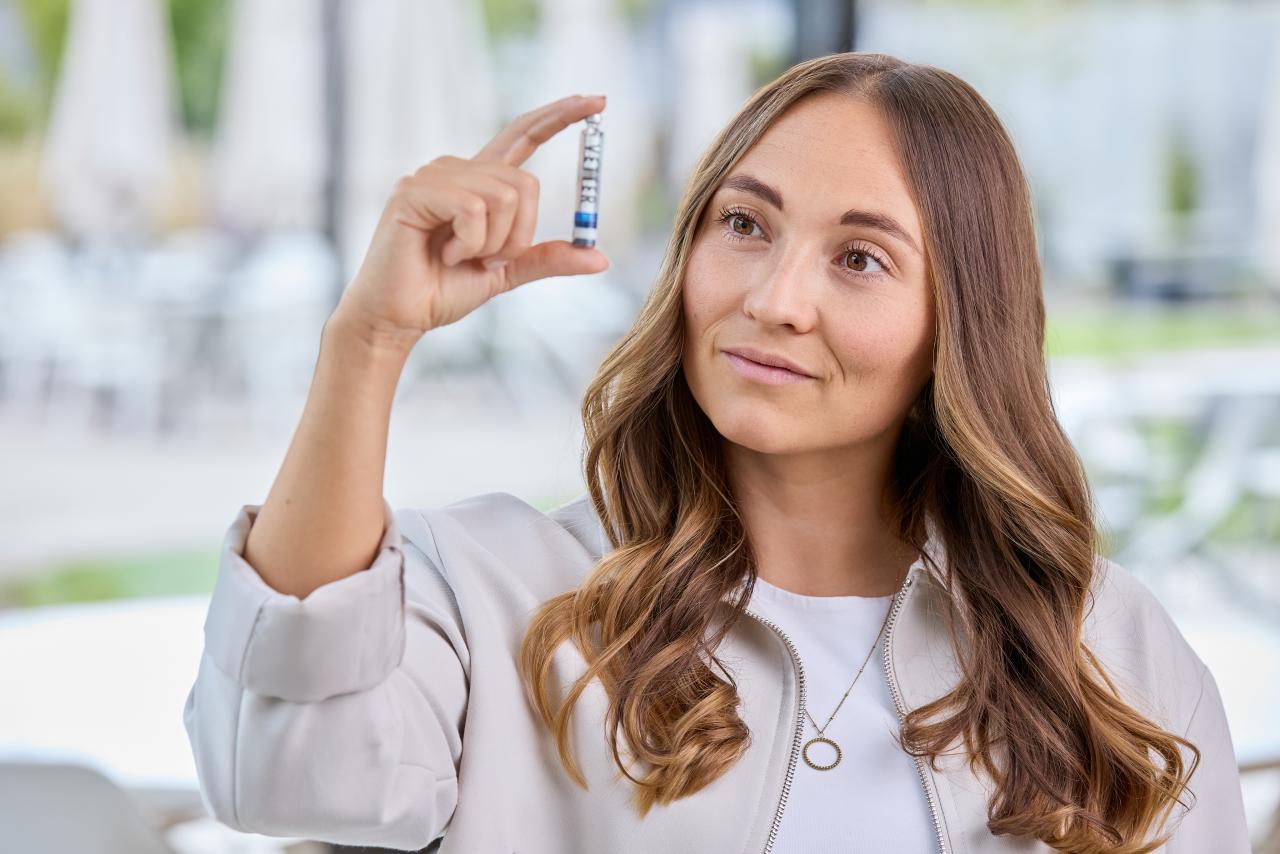
Professional field Quality Assurance
Quality Assurance means also securing our future
At Vetter, quality comes first. It is embedded in every process, in every production step. Quality Assurance ensures this now and in the future. We make sure that the regulatory requirements are met and that our systems and specifications in the GMP environment are sustainable. For this purpose, we work closely with different interfaces, acting strategically, proactively and reliably.


Your job opportunities in Quality Assurance
Quality is our strength. Where can you best contribute yours?
Change Control, Cross Contamination Control & Material Compliance and SOP Management
Through effective change control management and the avoidance of cross contamination, we not only protect the integrity of our products, but also strengthen the trust of our customers. By carefully reviewing and managing GMP-relevant documents, we create transparency and traceability, which are essential for the success and reputation of Vetter.
In Change Control, we work on the following topics:
- We review and evaluate change requests in terms of their pharmaceutical impact and their regulatory relevance for regulatory authorities (e.g., reporting and approval procedures).
- We communicate changes externally between our customers and ourselves.
- In addition, we deal with customer questions on change requests and we track customer approvals.
In Cross Contamination Control & Material Compliance, the focus is on:
- Preventing contamination of an Active Pharmaceutical Ingredient (API) or drug product with another API or drug product produced in the same production areas. For this purpose, we evaluate the pharmacological and toxicological properties of the APIs, calculate limits and define actions for their processing.
- In Material Compliance, we ensure that the materials used do not pose any risk of contamination, e.g., by prions, viruses, mycoplasmas, nitrosamines or metals, for our production processes.
SOP-Management is responsible for the review and administration of GMP-relevant work instructions and forms, and for the design and maintenance of the life cycle process for these documents.

Who can support us in these tasks?
- Natural scientists and pharmacists with an interest in or experience with regulatory questions, as well as in pharmacology/toxicology or in controlled change management and document management.
- Scientific-technical assistants or professionals trained in the pharmaceutical industry or related professions.
Quality Operations: nonconformity and complaint management, Quality on the shop floor
In the Quality Operations department, we are confronted with many tasks and activities that are directly related to the production and control processes:
- We carry out root cause investigations and assess risks of nonconformities and complaints. In this context, a reliable and open communication with our customers is very important to us.
- We initiate effective corrective actions to prevent future nonconformities (CAPA management) and coordinate the systematic implementation as Change Managers.
- We are in charge of quality oversight with focus on active process observations. We are the first point of contact in the case of incidents, nonconformities and urgent quality issues. In this function, we work in shift models.
- We regularly check manufacturing records (Batch Record Review) to ensure a consistently high documentation quality.
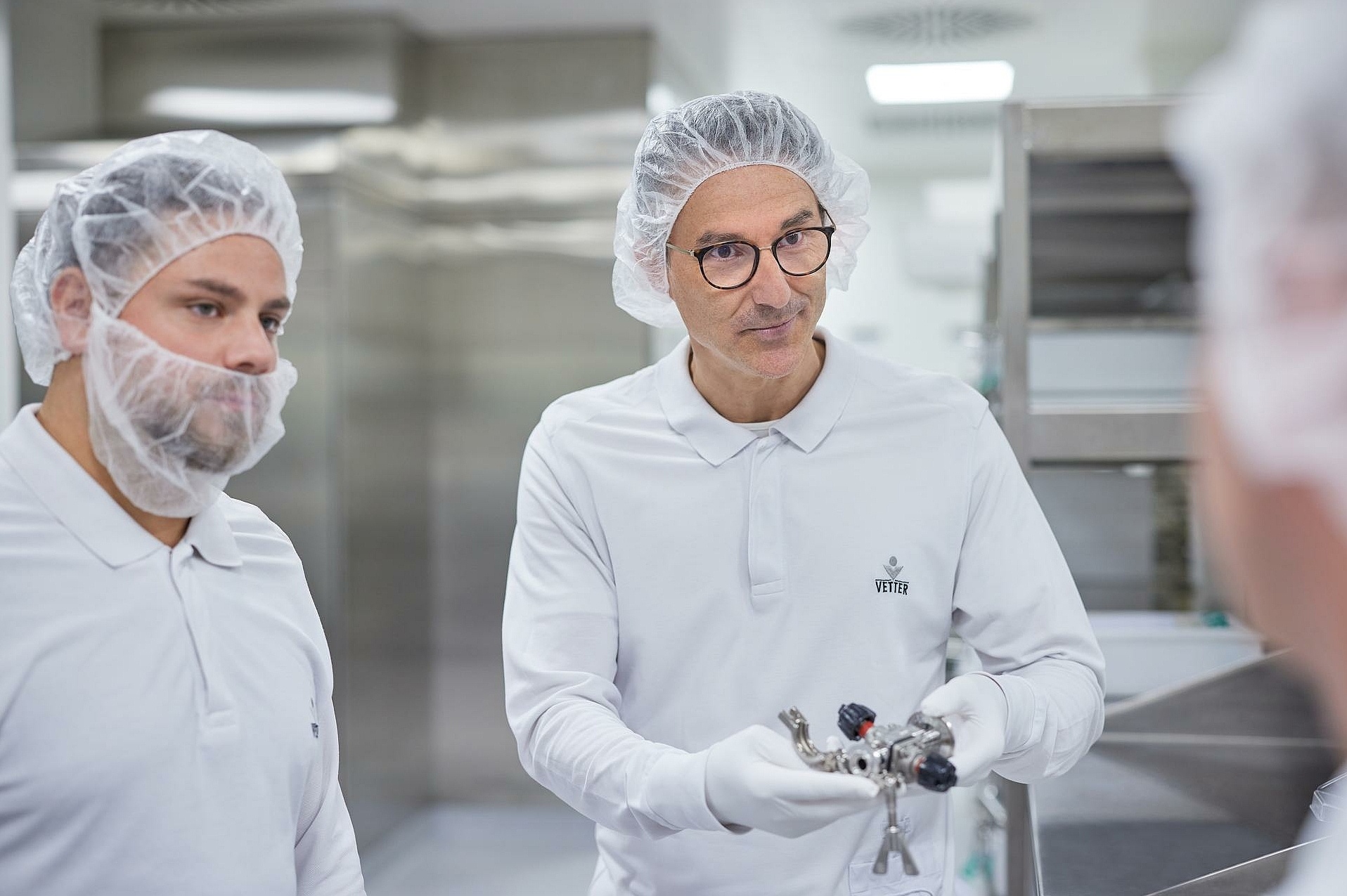
We count on this expertise:
- Natural scientists, engineers and pharmacists with an interest in or experience with pharmaceutical production and control processes. Experience in nonconformity management is an advantage. Additional good communication internally with our interface departments and externally with our customers’ contacts for quality.
- Technical assistants or professional trained in the pharmaceutical industry or related professions.
Process Performance & System Compliance
In this department, we deal with the following topics:
- We support the development and validation of processes and ensure quality in all product launch processes.
- We carry out trend analyses of our production and control processes, including the continued/ongoing process verification and management reporting (Quality Management Review).
- We support the electronic quality management system.
- We create strategic specifications for equipment procurement and qualification and for the operation of computer-assisted systems.
- We develop proper data management and ensure good documentation practice for pharmaceutically relevant data (data integrity).
- Within the scope of the quality risk management, we evaluate pharmaceutical processes and workflows, among others, with regard to quality, patient safety and regulatory compliance.

Who we need for these challenges:
- Natural scientists, engineers and pharmacists with an interest in or experience in pharmaceutical production and control processes. An advantage is also previous experience with data management, data analysis, digitalization, electronic quality management systems or qualification and validation processes.
Sterility Assurance, Lab Operations and Pharmaceutical Training System
In this area of Quality Assurance, we cover the entire value chain - focusing on our core competence, the aseptic filling of pharmaceuticals. We ensure the sterility of the medicinal products we produce by managing various quality optimization projects to implement (new) regulatory requirements. Together with our interfaces, we translate the resulting requirements from theory into practice.
Consequently, our tasks are:
- We develop and support comprehensive contamination control strategies with a focus on avoiding microbiological and particulate contamination. This enables us to protect the product from contamination in the best possible way.
- We validate the aseptic processes (mediafill) and ensure that all regulatory requirements are met during filling.
- We supervise and support our Quality Control laboratories and Logistics in all quality issues.
- We are responsible for the pharmaceutical training system and we ensure that the employees are optimally qualified for their tasks in the GMP environment.

The perfect match for these tasks:
- Natural scientists, engineers and pharmacists with an interest in or experience in pharmaceutical production and control processes. Know-how in sterile production or quality control laboratories is an advantage.
- Technical assistants or professionals trained in the pharmaceutical industry or related professions.
- Experience in digitalization, electronic quality management systems or qualification and validation issues is helpful here.
Supplier Quality Assurance and IPC & VI System
In this Quality Assurance department, we ensure that materials received from our suppliers and partner companies are in perfect condition. The first step in reliable drug products.
A closer look at our tasks:
- We define packaging material and material specifications together with our suppliers. These are, among others, the foundations for the required incoming goods inspections.
- We are responsible for the complaint and change management as well as quality review meetings with suppliers. Additionally, we give support in supplier audits and are responsible for the negotiation of contracts (quality agreements).
- As quality contact point, we are at the interface of our internal partners and our suppliers and their inquiries.
We are also responsible for our systems for in-process controls and visual inspection. In this case, we deal with the following topics, among others:
- We define the specifications for the in-process control and the actions required for the process control in consideration of the regulatory requirements.
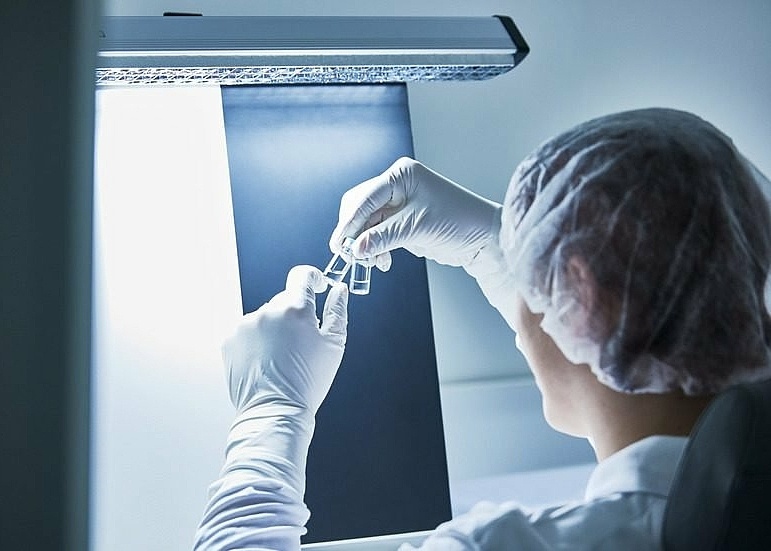
- We create qualification specifications for employees in Manual and Automated Visual Inspection as well as specifications for the implemented limits and inspection procedures according to regulatory requirements.

The perfect environment for:
- Natural scientists, engineers and pharmacists with an interest in or experience in pharmaceutical production and control processes. Previous experience in primary or secondary packaging materials or other pharmaceutically relevant materials or experience in in-process controls and visual inspection are an advantage.
- Technical assistants or professionals trained in the pharmaceutical industry or related professions.
Interested? Apply now!
Are you a natural scientist, engineer, pharmacist or technical assistant? Then Quality Assurance is the right place for you.

People at Vetter
Job insights: Assuring quality using data analysis
“Hi, I’m Sebastian and I work in Quality Assurance, in Process Trending & Risk Management. We use parameters from Microbiology, Visual Inspection, Quality Control laboratories, Production, Engineering and Development, convert it into an analyzable form and check this data for irregularities using our tools. We detect weak points at an early stage and provide argumentative basis for process optimization in our reports.
As my job involves dealing with very specific and sometimes innovative topics, there are a lot of opportunities to present your own ideas. This is not to be taken for granted in the GMP environment. The challenge? Discuss pharmaceutically or mathematically complex topics with customers. I had beads of sweat on my forehead at one point.”
Good to know
Frequently asked questions about Quality Assurance
What working time model applies to Quality Assurance?
We work in a flextime model with flexible working hours. We track overtime hours in an account based on a traffic-light system that you can view at any time.
An exception to this is the shift supervision in the Quality Oversight function. They have the same working hours and shift schedules as employees in Filling and Visual Inspection.
Can I work from home in Quality Assurance?
Yes, in most cases remote work is possible. However, there are also exceptions here: within the scope of Quality Oversight, for example, working from home is not possible for shift supervision because we work on site in Production.
Will I have to work in shifts?
Shift work applies exclusively to the shift supervision function within Quality Oversight, as we support Filling and Visual Inspection and are therefore aligned with their shift schedules.
Is English widely used in Quality Assurance?
The majority of Quality Assurance tasks require strong English skills ‒ both written and spoken, especially because we are in close contact with international customers and regulatory authorities. However, there are also some positions, particularly those without direct contact with customers, where less English skills are required.
How does the initial training work?
We attach great importance to providing you with good support and thorough initial training. Therefore, you will follow a well-designed initial qualification plan at the beginning. In addition, you will be assigned a training mentor who will be there for you during the six-months initial training and support you at all times.
What can I expect from the daily work in Quality Assurance?
A good mixture of theory and practice. While most of the tasks are office activities, we have close ties to many production and control processes. The daily work involves intensive communication with different divisions. There are also activities that require direct contact to or visits in Production, Quality Control or other departments. Our tasks also include customer meetings, both on-site and virtually, as well as presenting our processes during audits and inspections. In addition to the evaluation and review of documents and processes, we develop specifications based on the current regulatory requirements. We assist all GMP processes.
As you can tell, our work is far from routine: we are often needed for urgent troubleshooting or to work at the heart of project structures. One thing is certain: it never gets boring in Quality Assurance, every day is a new challenge!
Your benefits
Everything you need to feel happy to work with us
- A sound financial choice
Competitive take-home pay

- More than just a job
Meaningful and responsible work

- Good work-life balance
Work, leisure and family in harmony

- Stay fit!
Your health is important to us

- Regional, healthy and sustainable
Our company restaurants

- A livable and lovable region
Land and people


People at Vetter
Job insights: Avoiding cross contamination, ensuring safety
“Hi, I am Luzia Heil and I studied pharmacy. As a pharmacist, I’ve already been working for several years in the Cross Contamination Control team. In our team, we deal intensively with pharmacology and toxicology of APIs processed at Vetter. These are new, highly innovative drug substances. For our evaluations, we analyze, among others, the results from the preclinical and clinical trials.
An important aspect of our work is the determination of limit values and actions for preventing cross contaminations in the production processes. In this way, we ensure that the safety and quality of drug products produced at Vetter meet the highest standards. Cross contamination is a very exciting and versatile field for pharmacists!”
Who are we looking for in Quality Assurance? Exactly you!


All that's missing now is...you!
Are you a natural scientist, engineer, pharmacist or technical assistant? Then Quality Assurance is the right place for you. Apply now ‒ we are looking forward to meeting you!