Enhancing Productivity: Why Pure Utilities Are Essential in Aseptic Production
by |

by |
To meet ongoing growth and rising demand, Vetter continuously invests in developing its production sites. An important element of this strategy: A reliable supply of pure media, such as Purified Water (PW), which plays a crucial role in aseptic manufacturing.
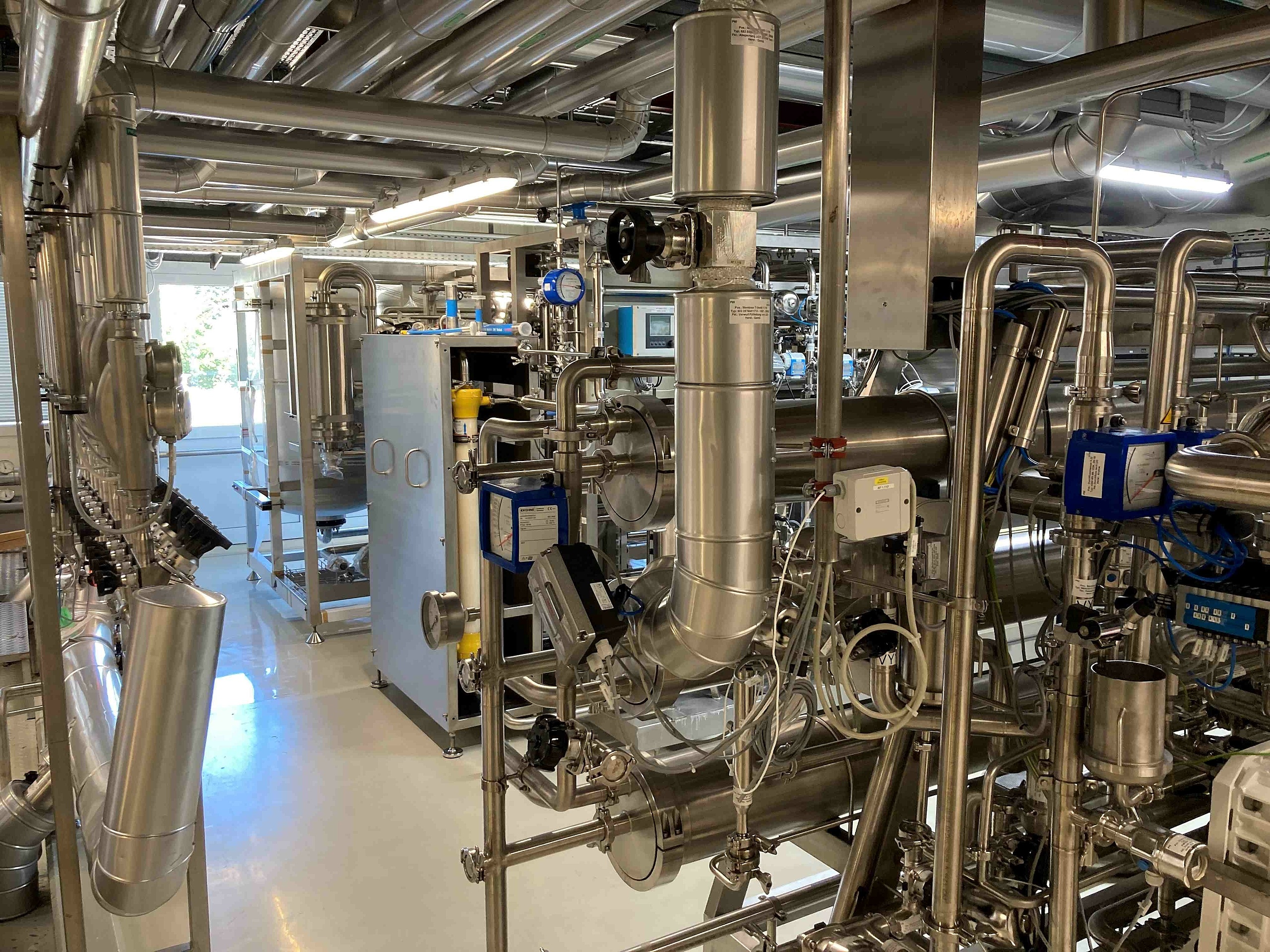
At our commercial production site in Langenargen, we recently installed an additional PW generation system that not only stabilized our supply of this critical utility but also unlocked additional site capacity. Here’s how.
PW usually serves two key purposes: It’s used to clean production equipment and components, as well as a starting material for producing Water for Injection (WFI) and Pure Steam (PS).
Both applications have stringent baseline quality requirements for example by the European Pharmacopoeia or the United States Pharmacopeia. To support a high level of product quality and patient safety, Vetter’s own in-house thresholds for the measurable bacterial count in PW are deliberately set higher than regulatory expectations.
For our investment project in Langenargen, Vetter was looking for a water purification system that could deliver PW in WFI quality while also supporting reliable operation and flexible use — goals that demanded a rigorous and comprehensive specification sheet, as well as an experienced partner.
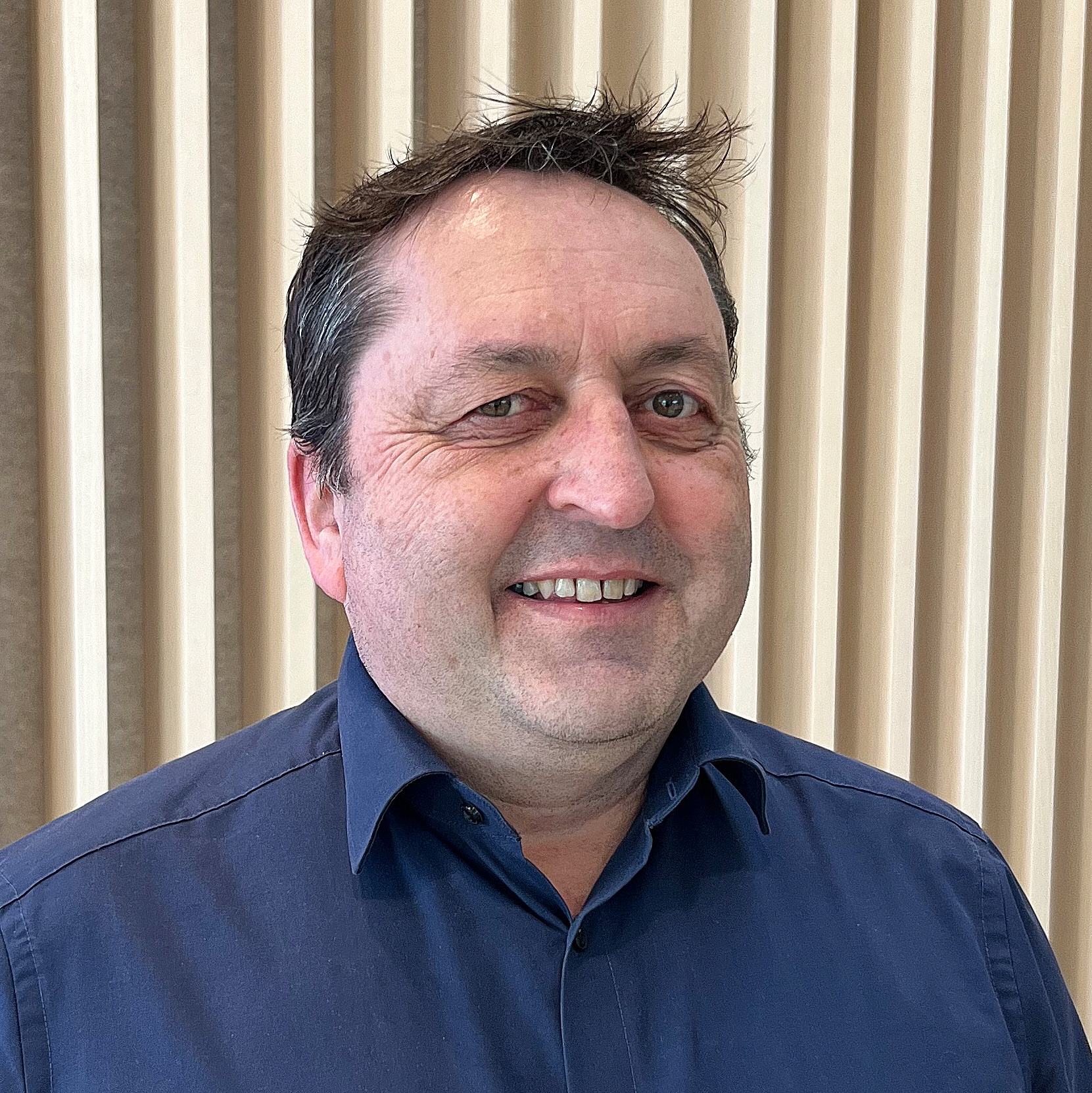
“For us, patient safety always comes first. So it was crucial that the new system meets our high internal quality standards.”
Dietmar Waizmann, Head of Utilities
The implemented PW system has a capacity of 10,000 liters per hour and a purification process with multiple key steps:
The entire system is hot-water sanitizable. Another notable feature is the power control system, which automatically adjusts the output to meet the demands of the storage tanks. This supports rapid availability, even during short-term volume fluctuations.
Another important challenge to navigate: Our Langenargen site had limited space to accommodate new water purification infrastructure.
To enable efficient commissioning, the selected system was custom-configured for the available footprint. The limited floor space also had an impact on the composition of the unit. In the end, the frame was delivered in two parts and assembled on-site. This flexibility was essential to successful implementation.
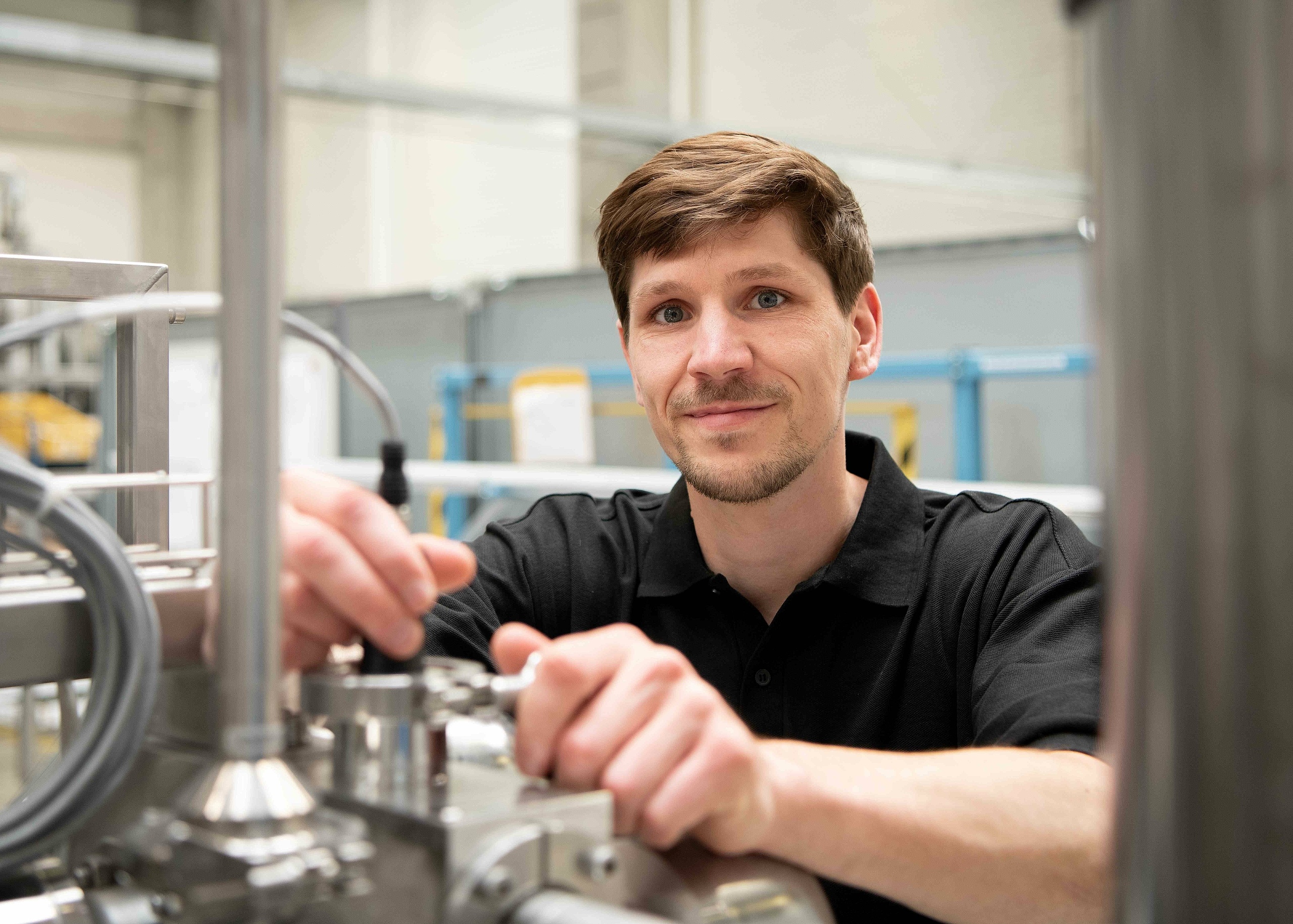
The project was implemented in close cooperation with Pharmatec, a subsidiary of Syntegon. Their technical expertise, flexibility, and solution-oriented collaboration were decisive for the project’s success.
Following the successful completion of the project in Langenargen, additional PW systems have been installed at Vetter sites in Ravensburg and Rankweil.
To learn more about our continually evolving production capabilities, visit our Services hub.